
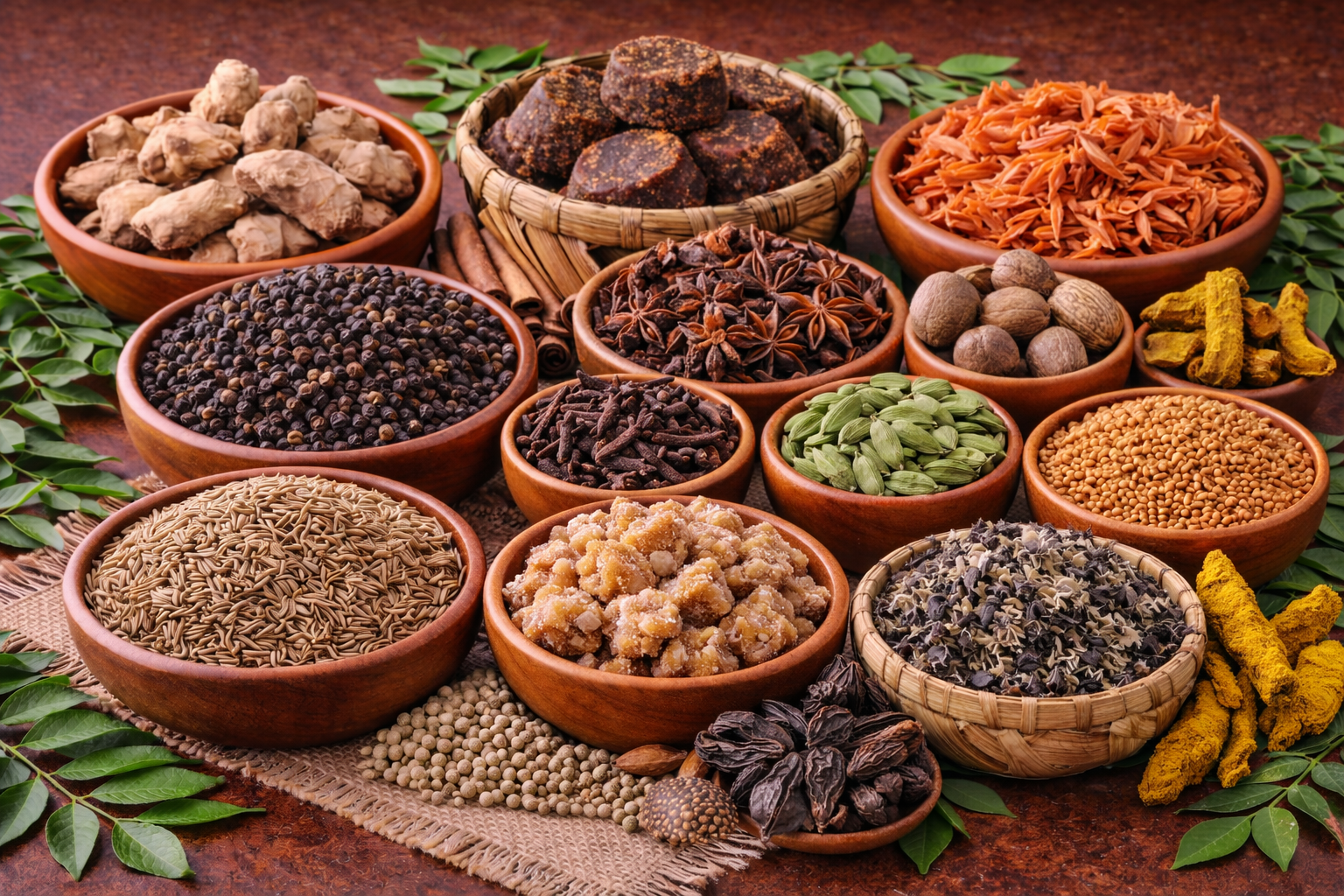
Spices
Explore the aromatic world of Indian spices with our handpicked collection. Each spice is carefully selected to bring authentic flavors and fragrances to your kitchen.
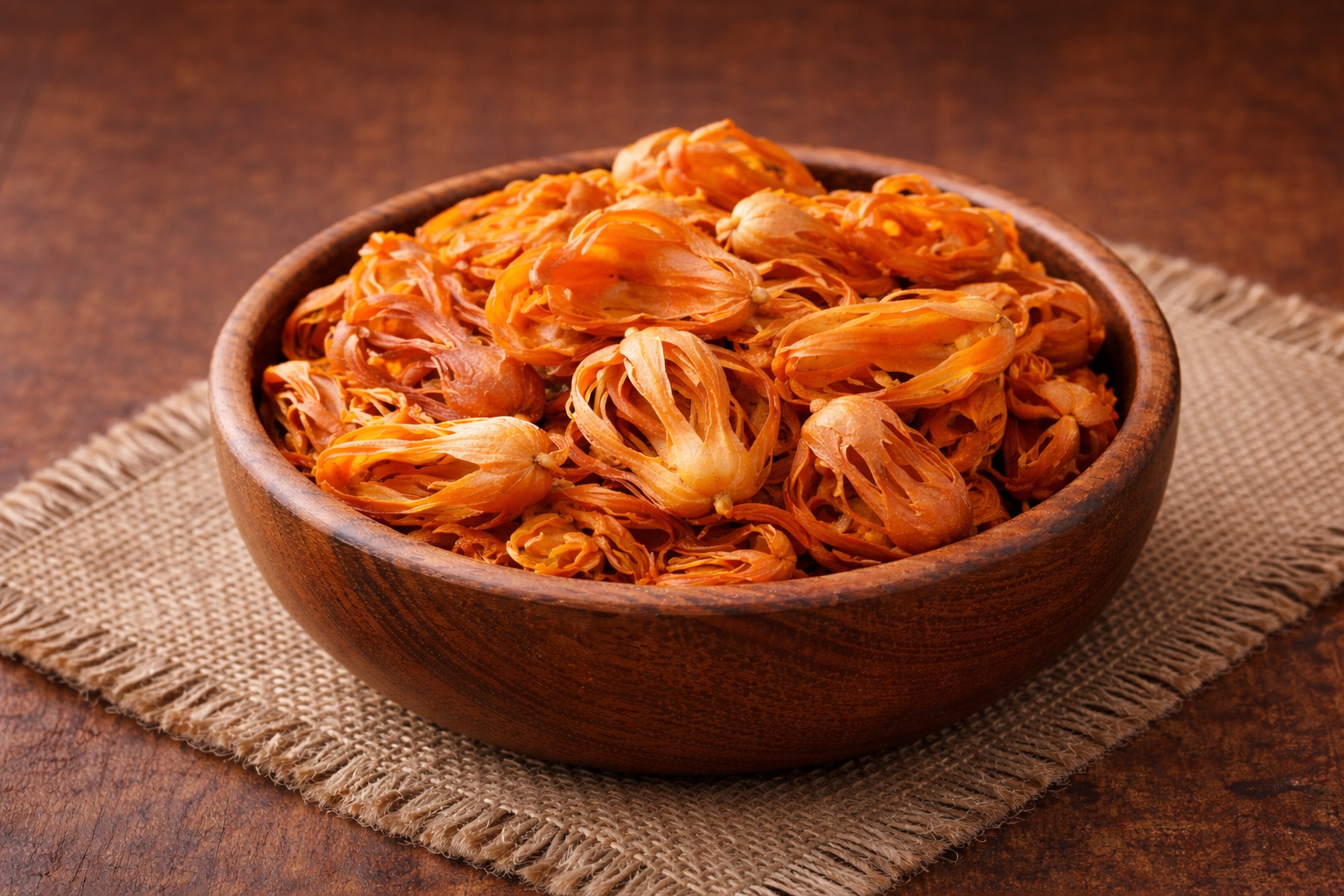
Mace is the delicate, lace-like outer covering of the nutmeg seed. It has a warm, sweet, and slightly pungent flavor, more subtle than nutmeg.
Common Uses:
Excellent in baked goods, desserts, savory dishes like stews and curries, and in pickling spices.
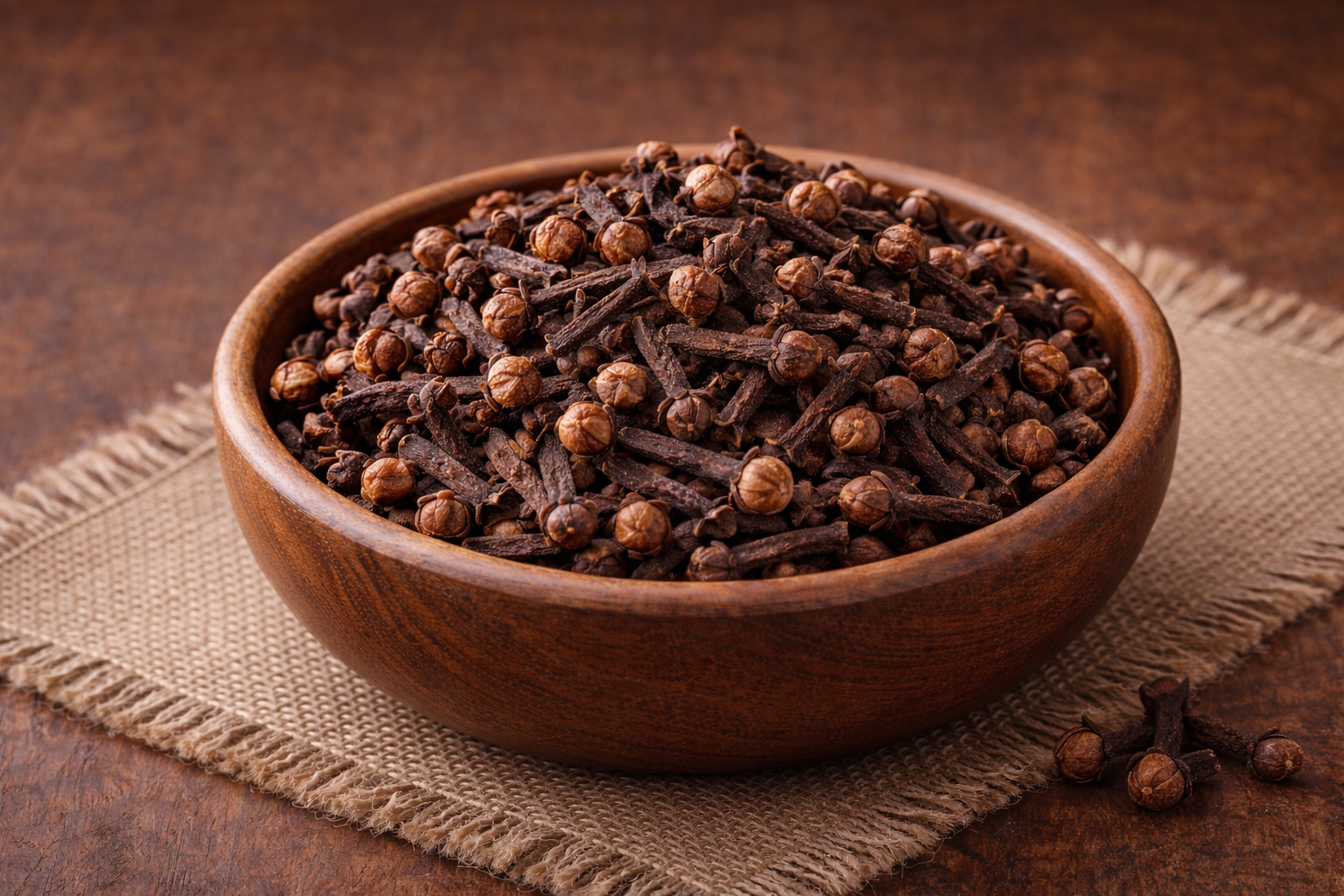
Dried flower buds of the clove tree, known for their intense aroma and sweet, pungent taste. They are a powerful and aromatic spice.
Common Uses:
Widely used in biryanis, meat dishes, and spice blends like garam masala. Also used in baking and mulled drinks.
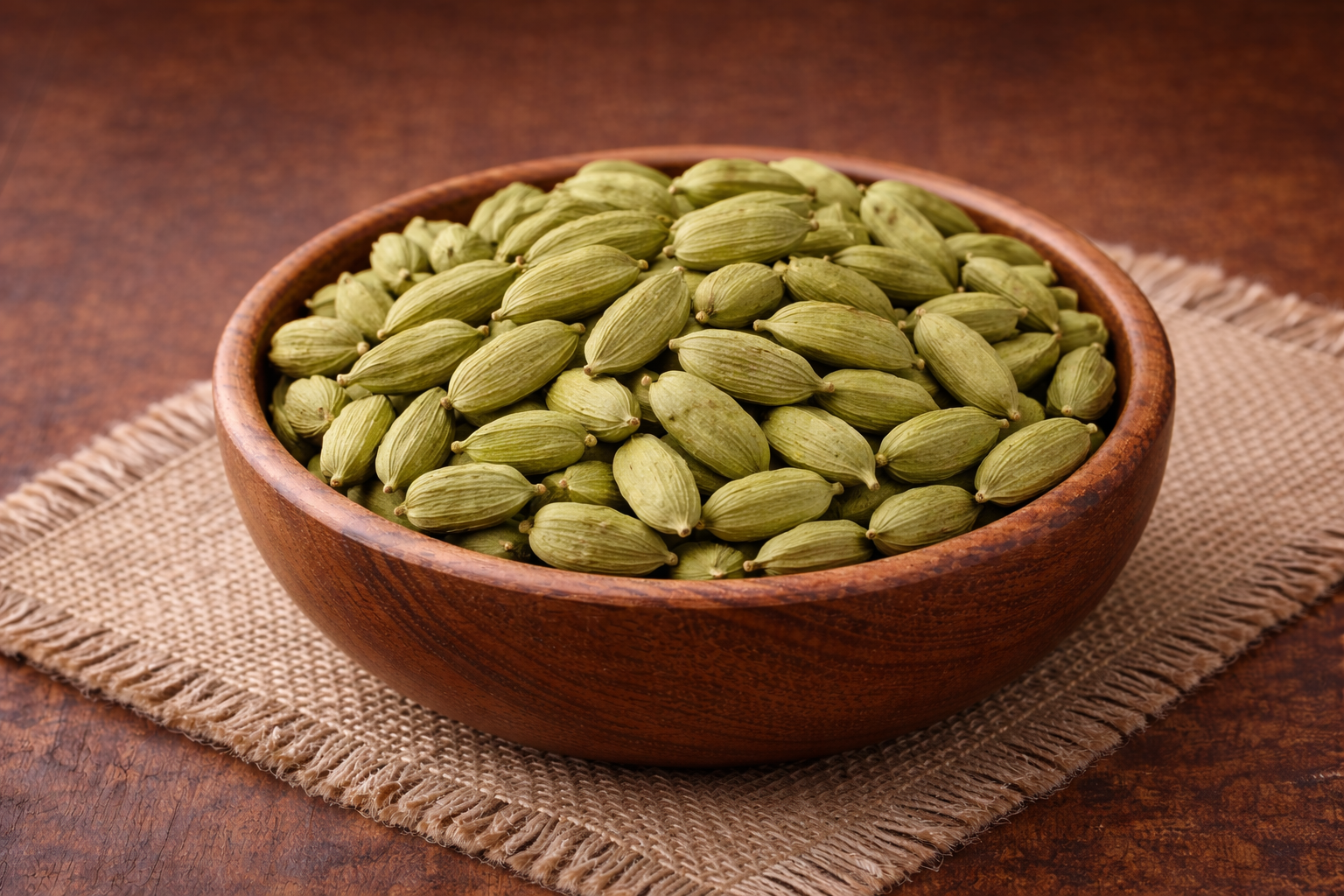
Known as the "Queen of Spices," green cardamom has a strong, unique taste, with an intensely aromatic, resinous fragrance.
Common Uses:
A key ingredient in Indian sweets (mithai), chai, and savory rice dishes.
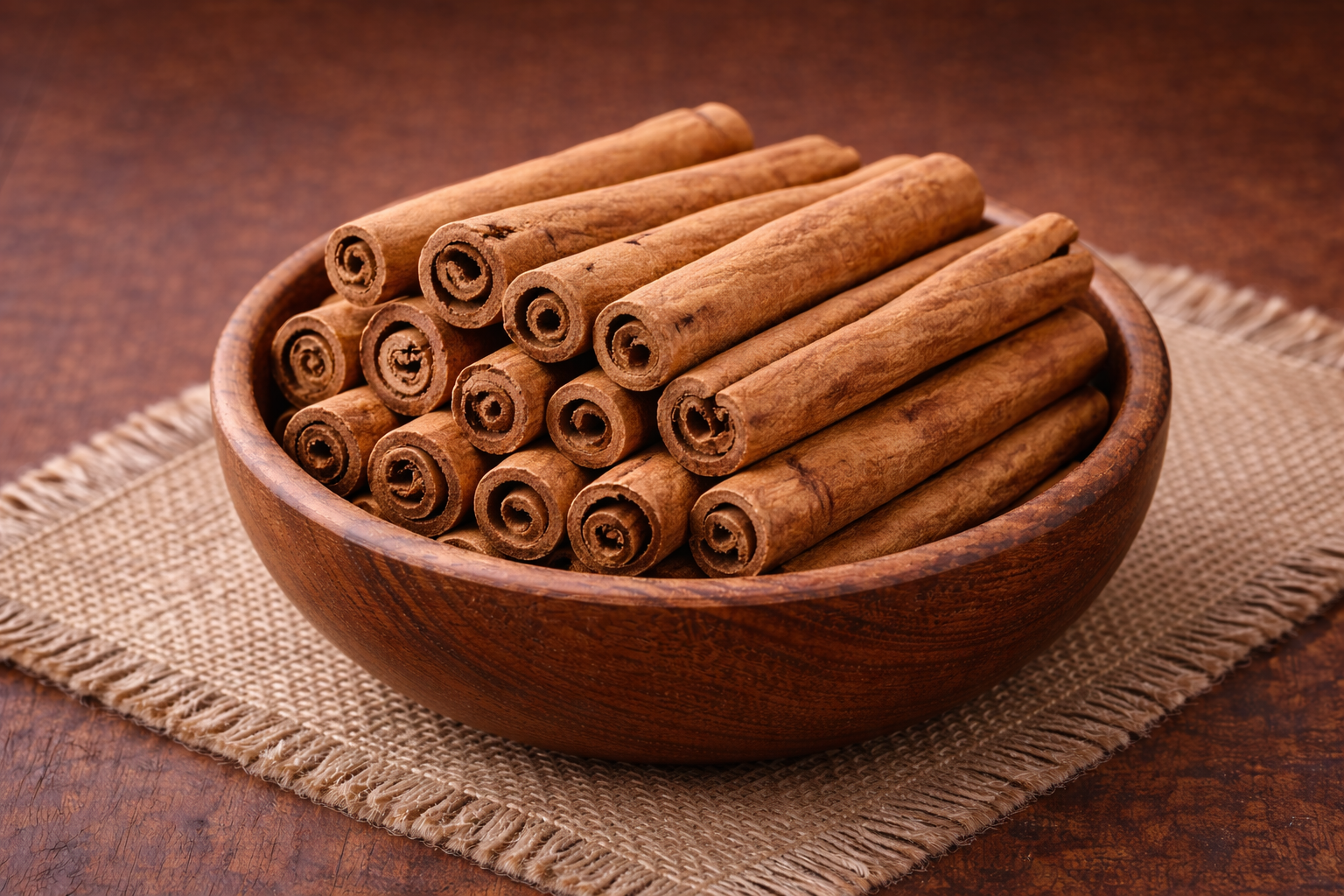
True cinnamon, with a delicate, sweet flavor and a light, citrusy aroma. It has thin, paper-like bark that forms multiple layers when rolled.
Common Uses:
Perfect for desserts, beverages, and dishes where a subtle, refined cinnamon flavor is desired.
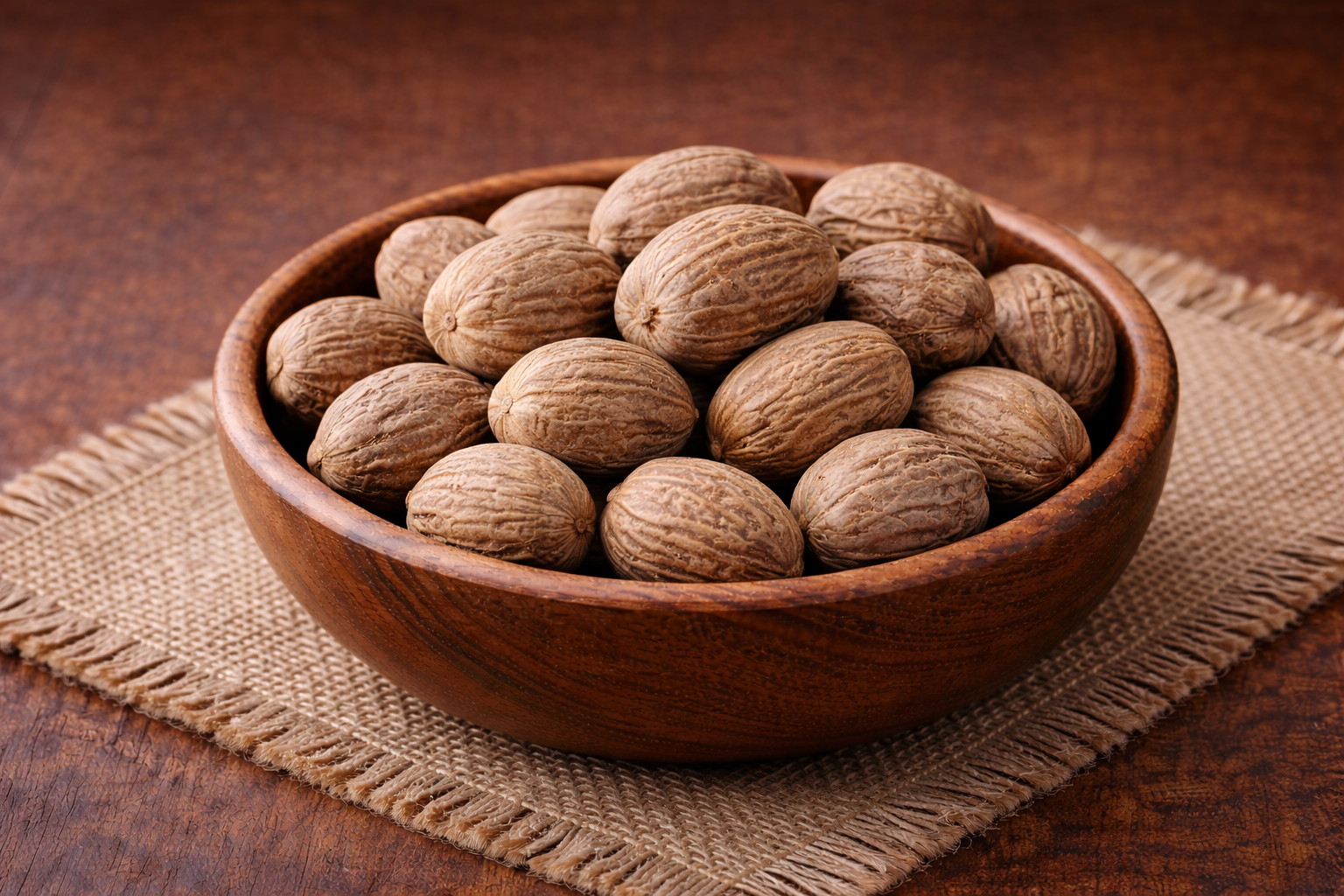
A sweet, aromatic, and nutty spice derived from the seed of the nutmeg tree. It is often grated fresh for the best flavor.
Common Uses:
Used in both sweet and savory cooking, including baked goods, coffee, sauces, and vegetable dishes.
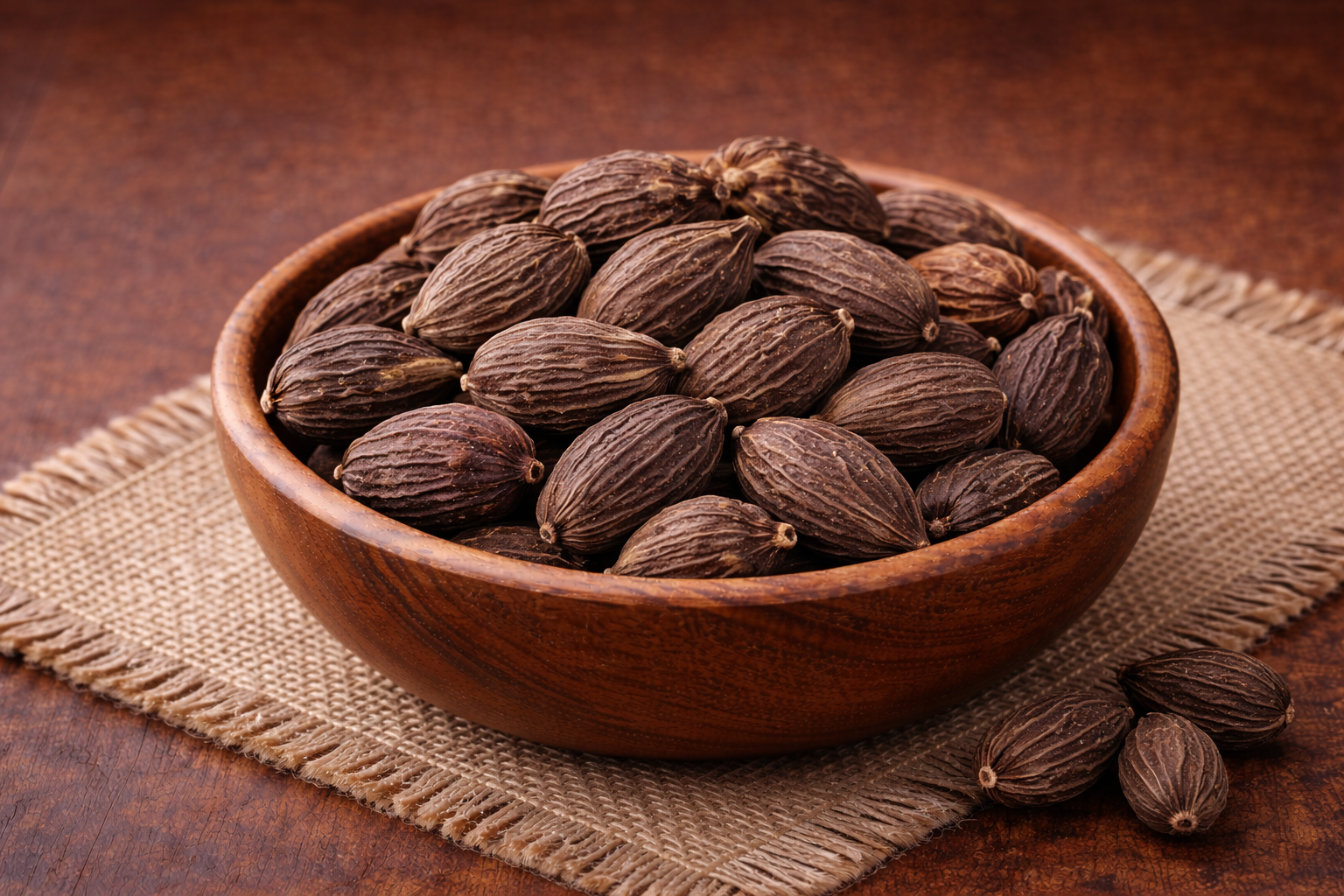
Larger than its green counterpart, black cardamom has a smoky, camphor-like flavor that is more suited for savory dishes.
Common Uses:
Adds a deep, smoky flavor to hearty meat stews, lentil dishes (dals), and biryanis.
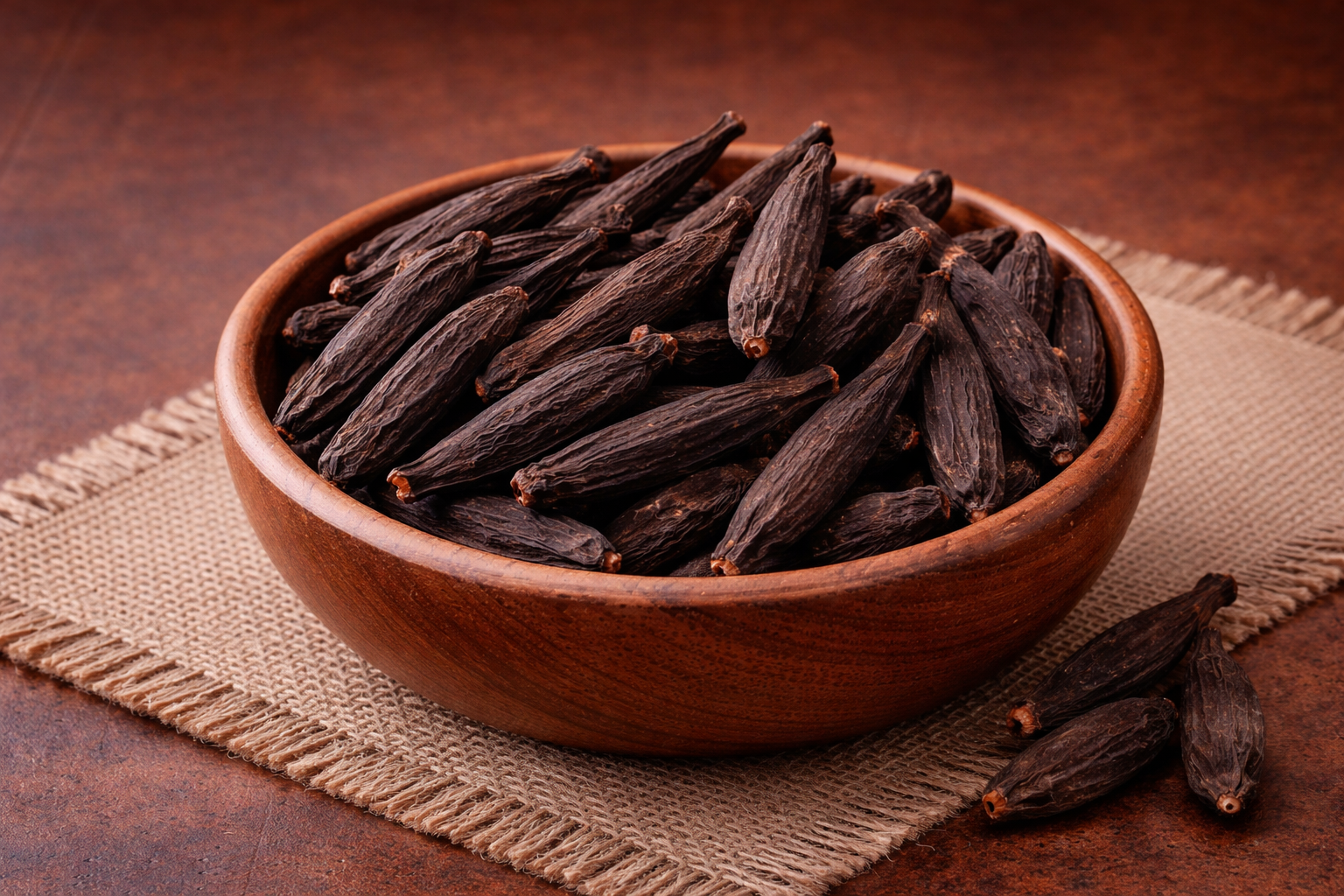
Also known as Kapok buds, this is a type of caper. It has a pungent, woody aroma and is typically fried in oil to release its flavor.
Common Uses:
An essential ingredient in South Indian spice blends, especially in Karnataka for 'Bisi Bele Bath'.
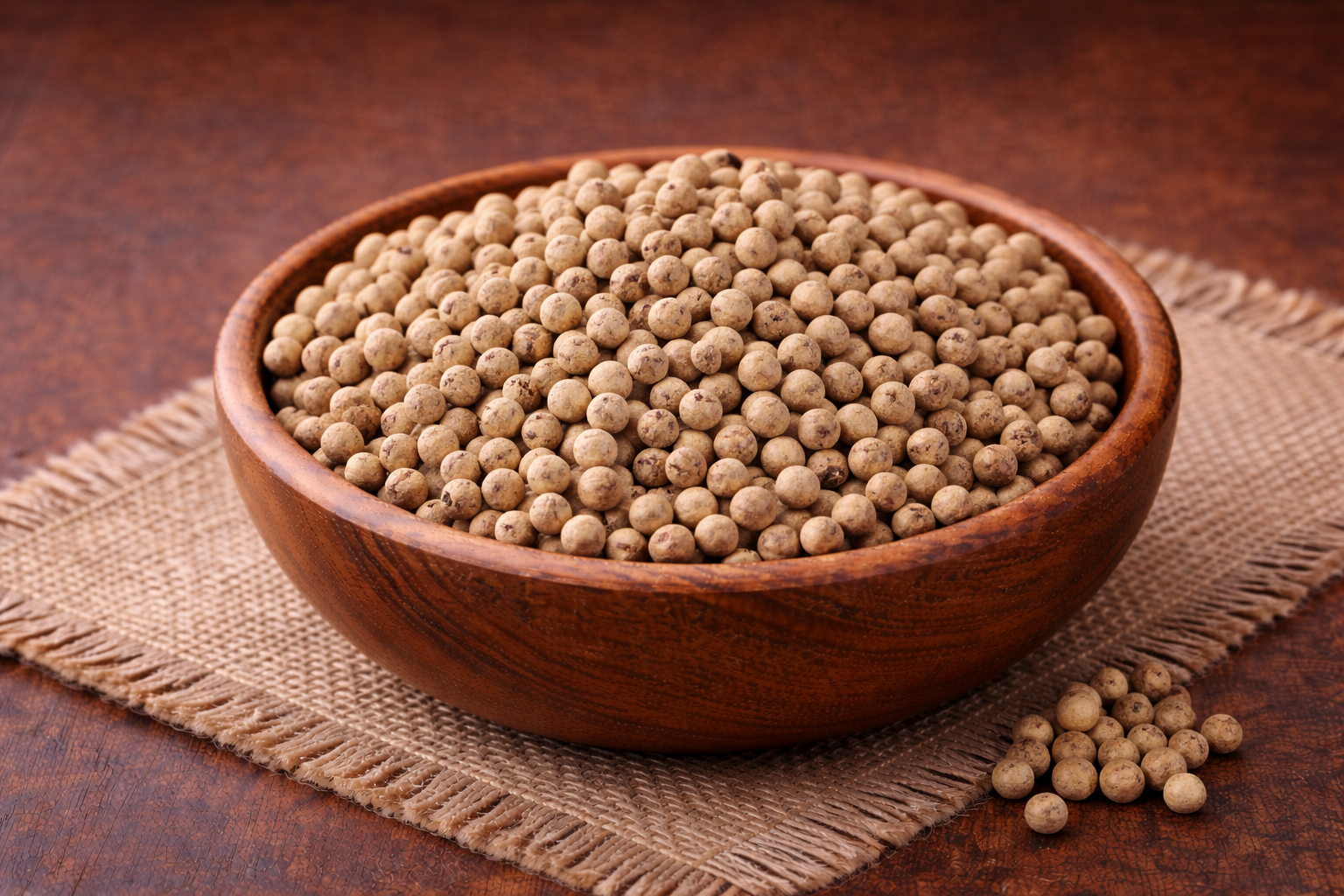
Made from ripe pepper berries with the skin removed, white pepper is hotter than black pepper but has a more earthy, less complex flavor.
Common Uses:
Ideal for white sauces, cream-based soups, and potato dishes where the color of black pepper is not desired.
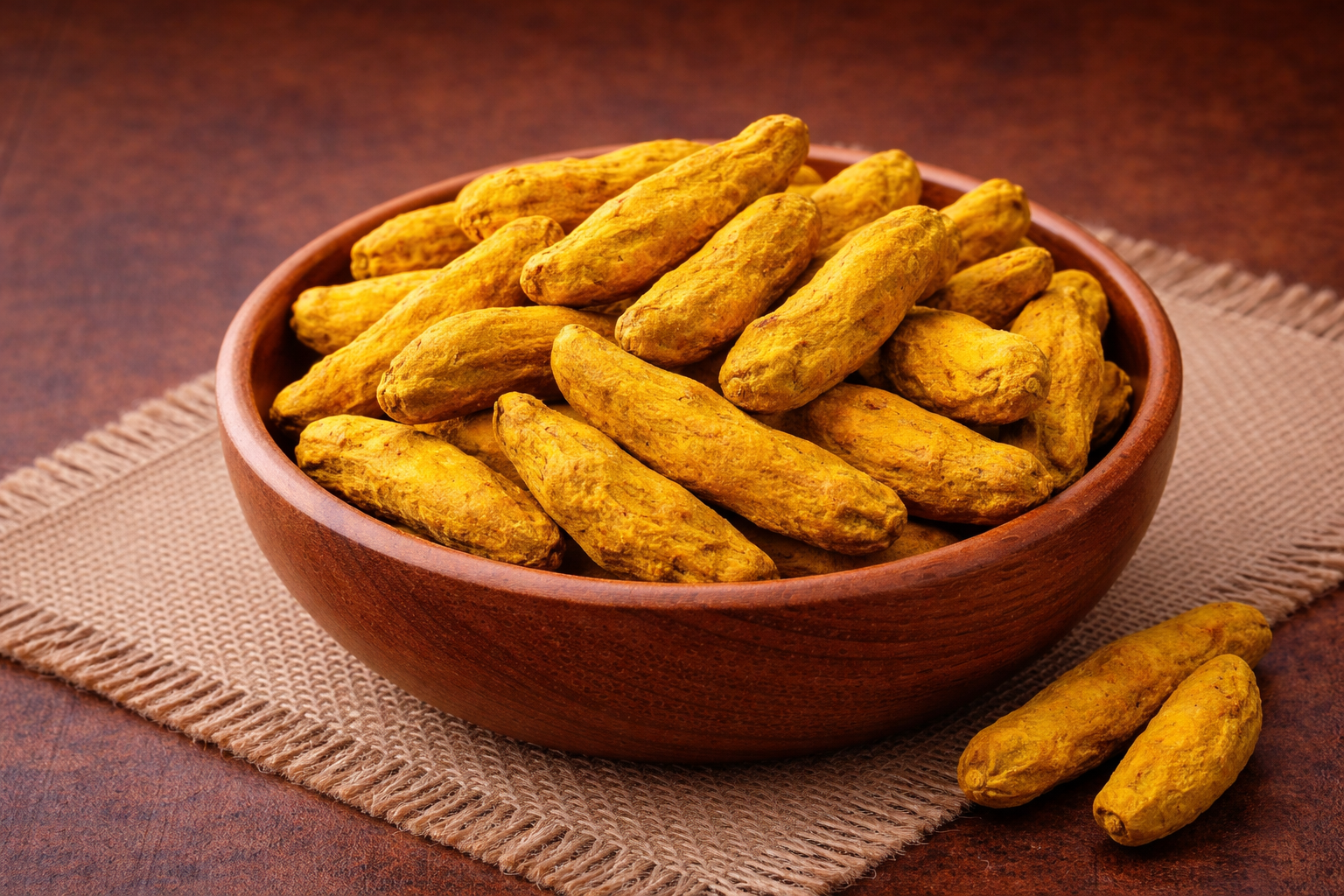
These are the dried rhizomes (roots) of the turmeric plant. They have an earthy aroma and a pungent, slightly bitter flavor. Can be ground into powder.
Common Uses:
Ground turmeric is a cornerstone of curry powders and is used to color and flavor rice, lentil, and vegetable dishes.
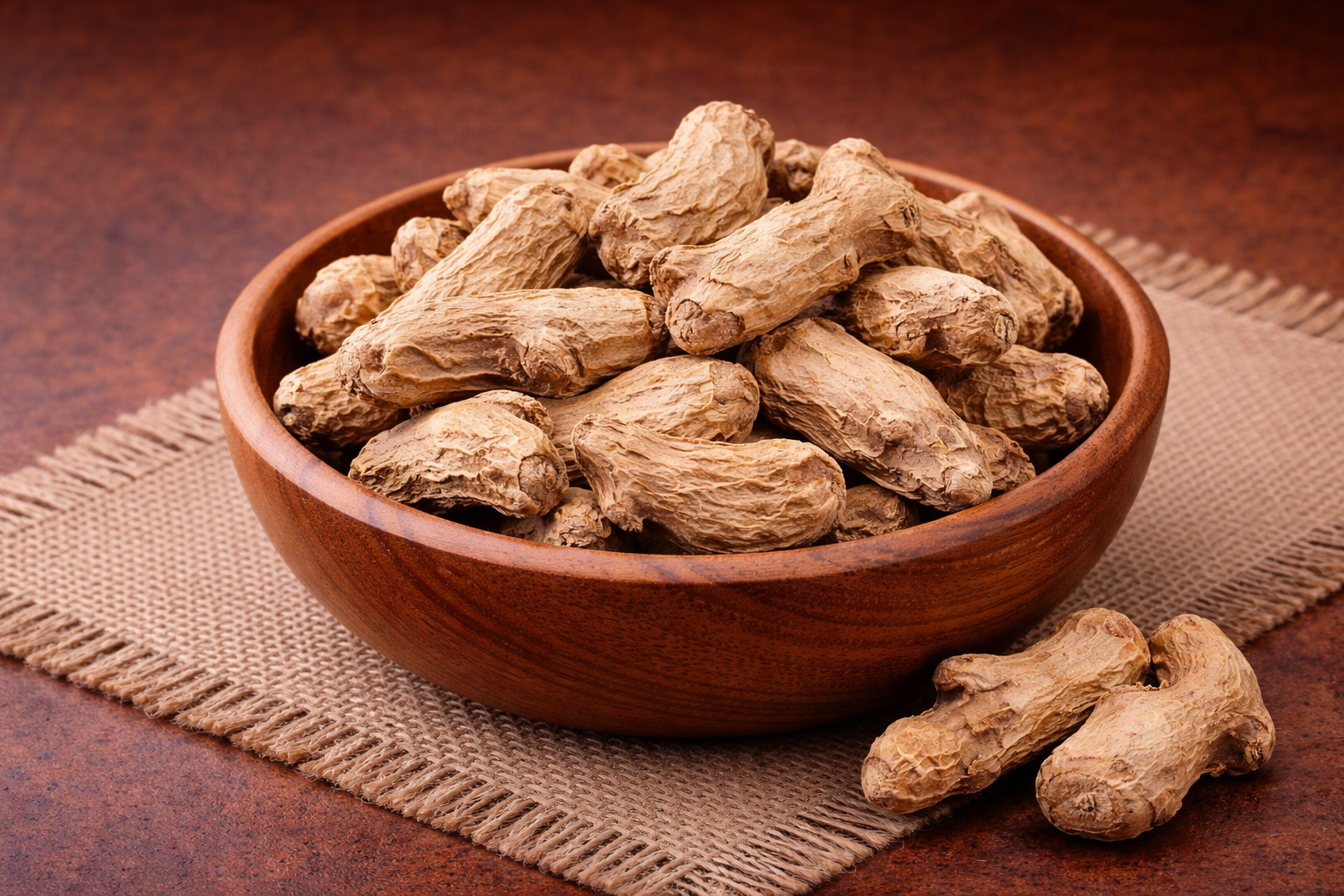
Dried ginger root offers a pungent, spicy-sweet flavor and aroma. It is more potent and has a different flavor profile than fresh ginger.
Common Uses:
Used to make ginger powder, which is a key component of spice blends, teas, and traditional remedies.
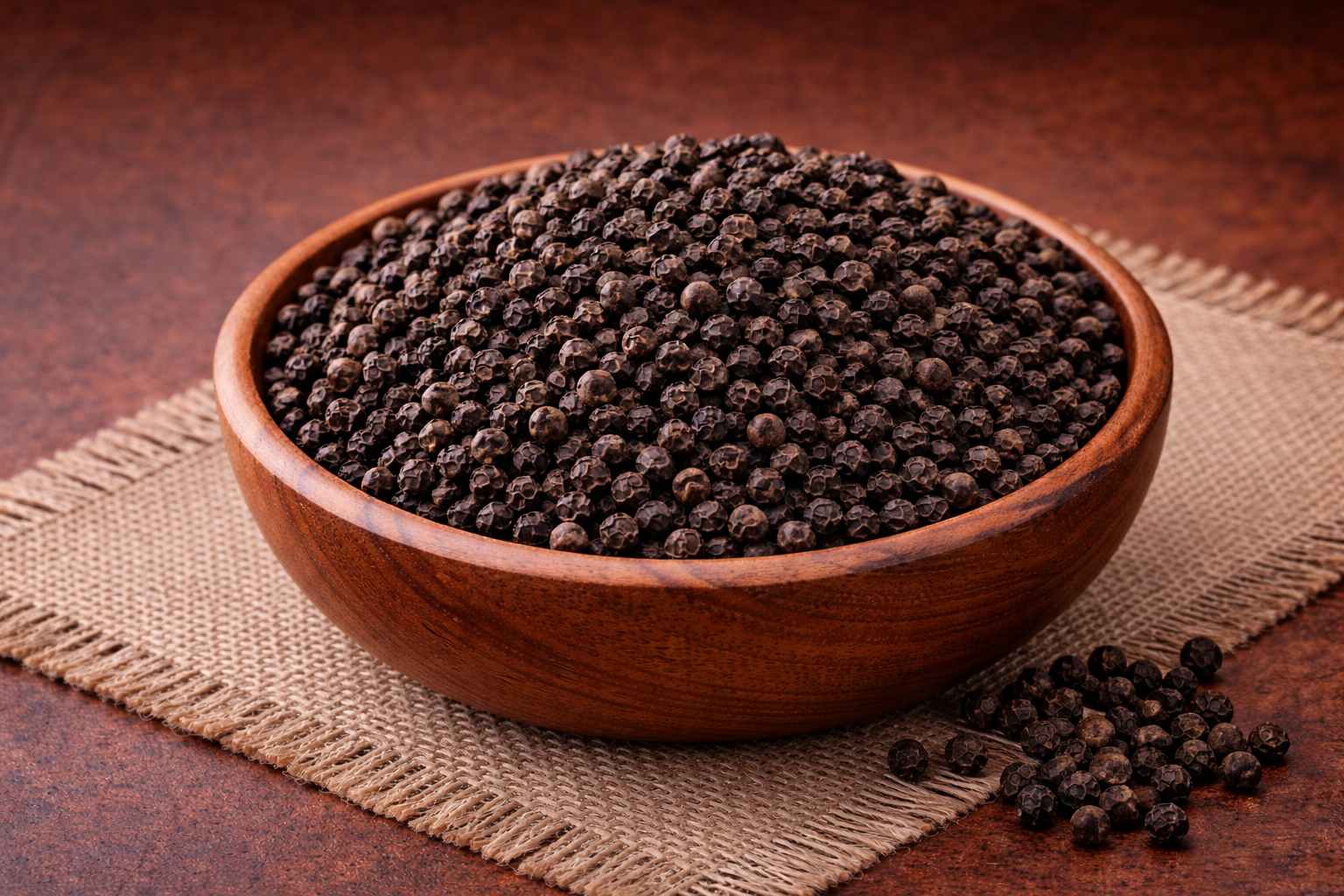
The "King of Spices," it has a sharp, pungent, and earthy flavor. Whole peppercorns provide a more complex flavor than ground pepper.
Common Uses:
A universal spice used to season almost any savory dish, from soups and stews to grilled meats and vegetables.
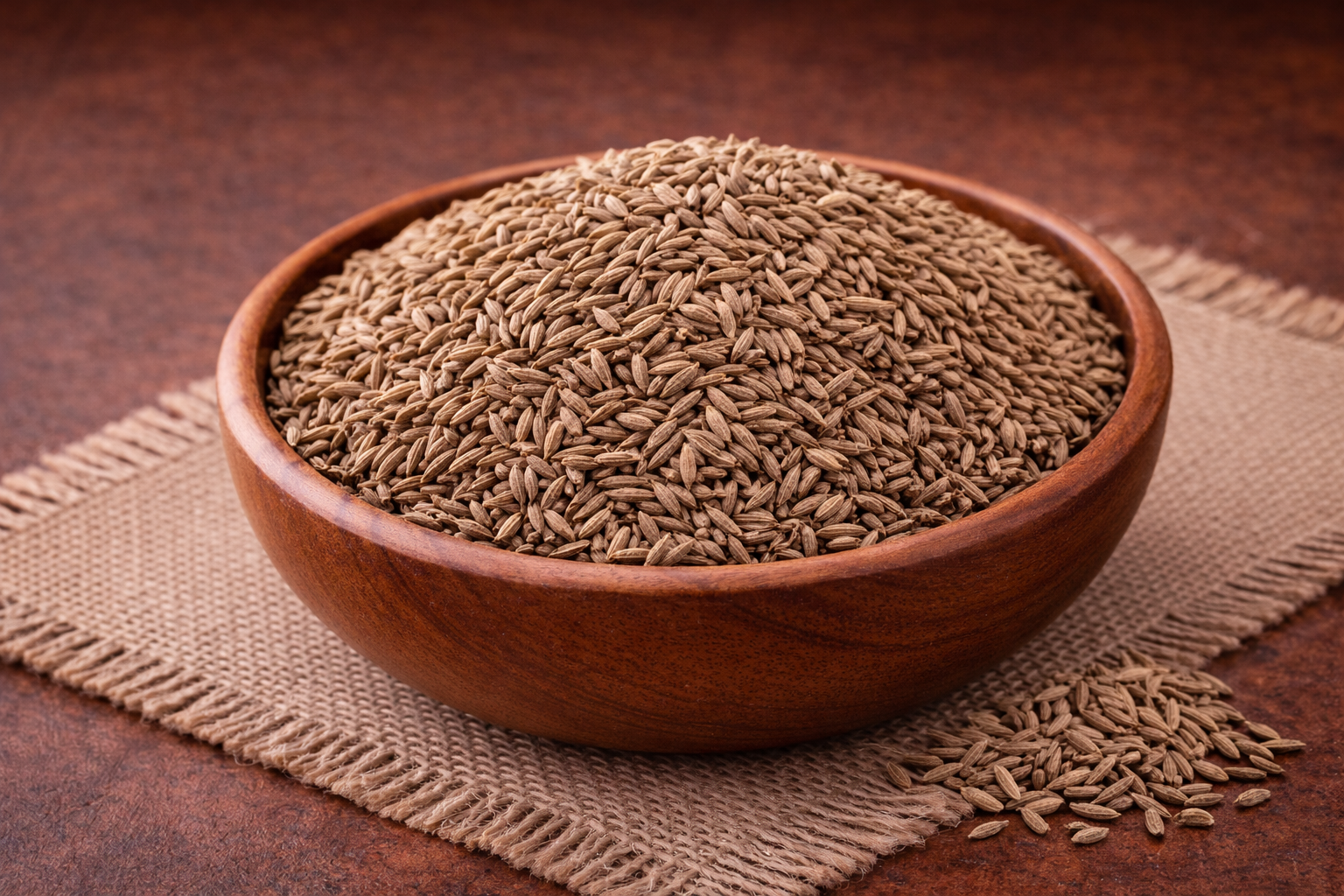
Known for their distinctive warm, nutty, and slightly peppery flavor. They are a staple in many global cuisines.
Common Uses:
Often tempered in hot oil at the start of a dish (tadka). Used whole or ground in curries, rice, and spice rubs.
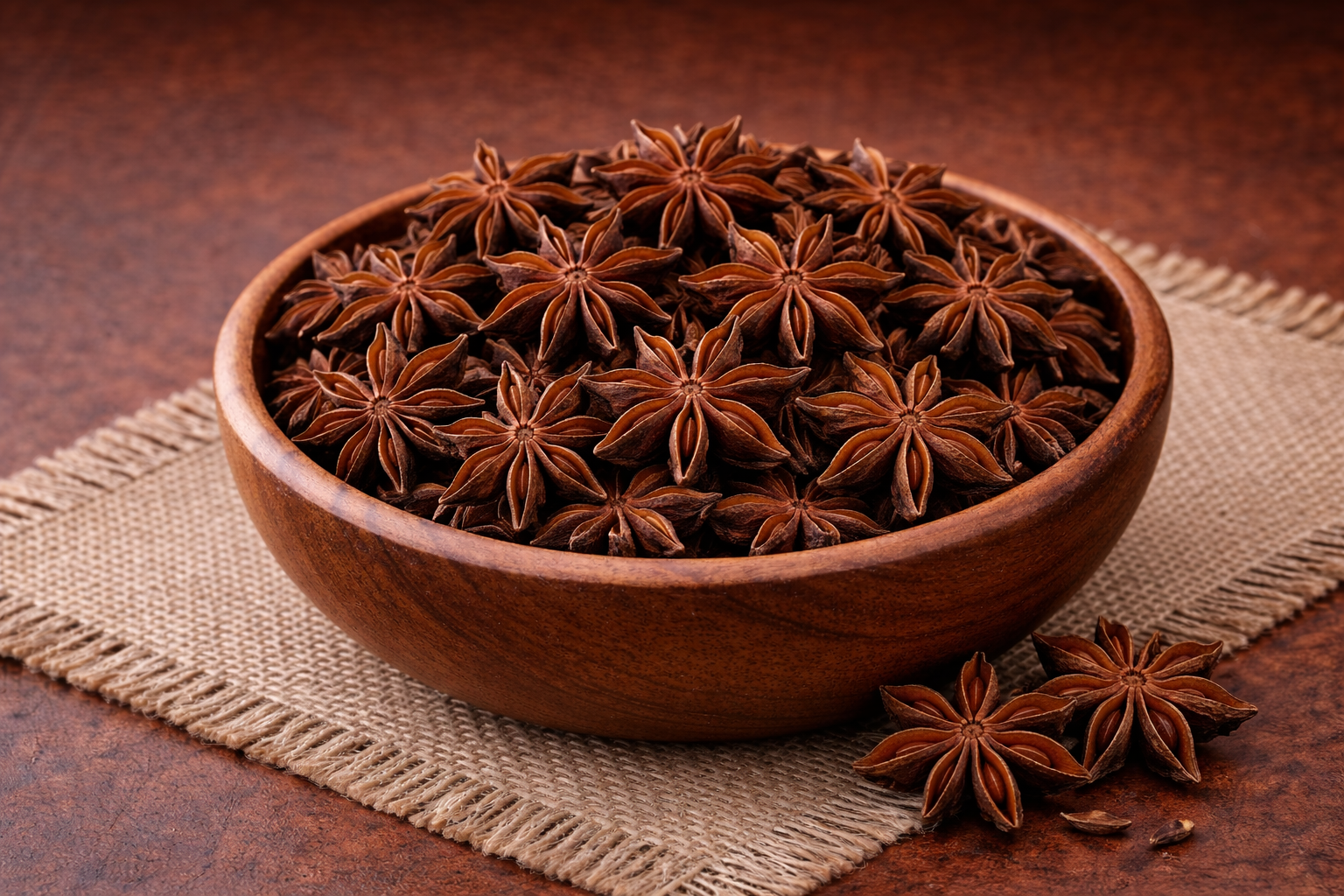
A star-shaped spice with a powerful, licorice-like flavor and aroma, similar to anise but more potent.
Common Uses:
A key ingredient in biryani, pho, and Chinese five-spice powder. Excellent for flavoring braised meats.
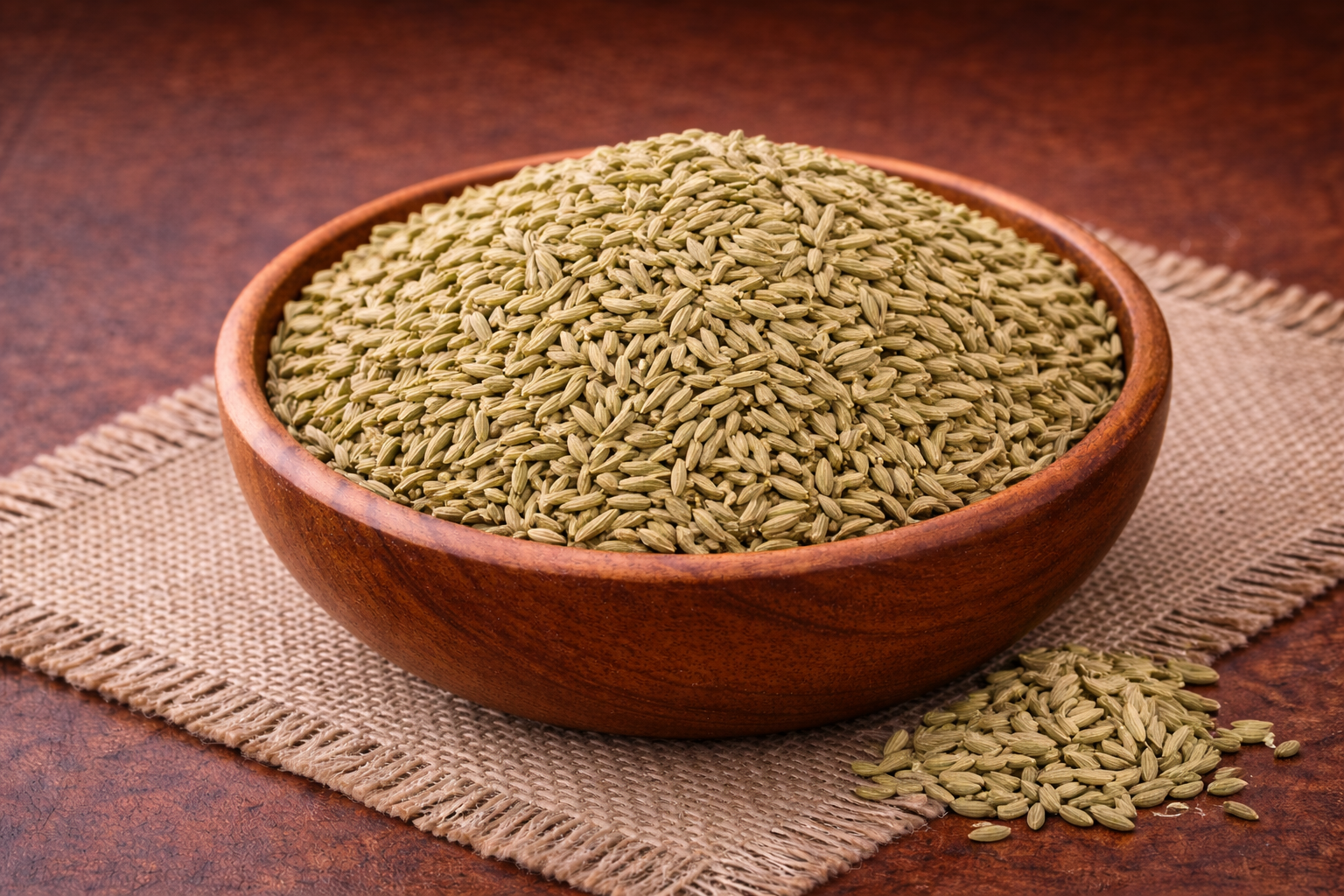
These seeds have a sweet, anise-like flavor. They are often used as a mouth freshener after meals in India.
Common Uses:
Used in spice blends, sausages, and for flavoring fish and vegetable dishes. Also common in breads and pickles.
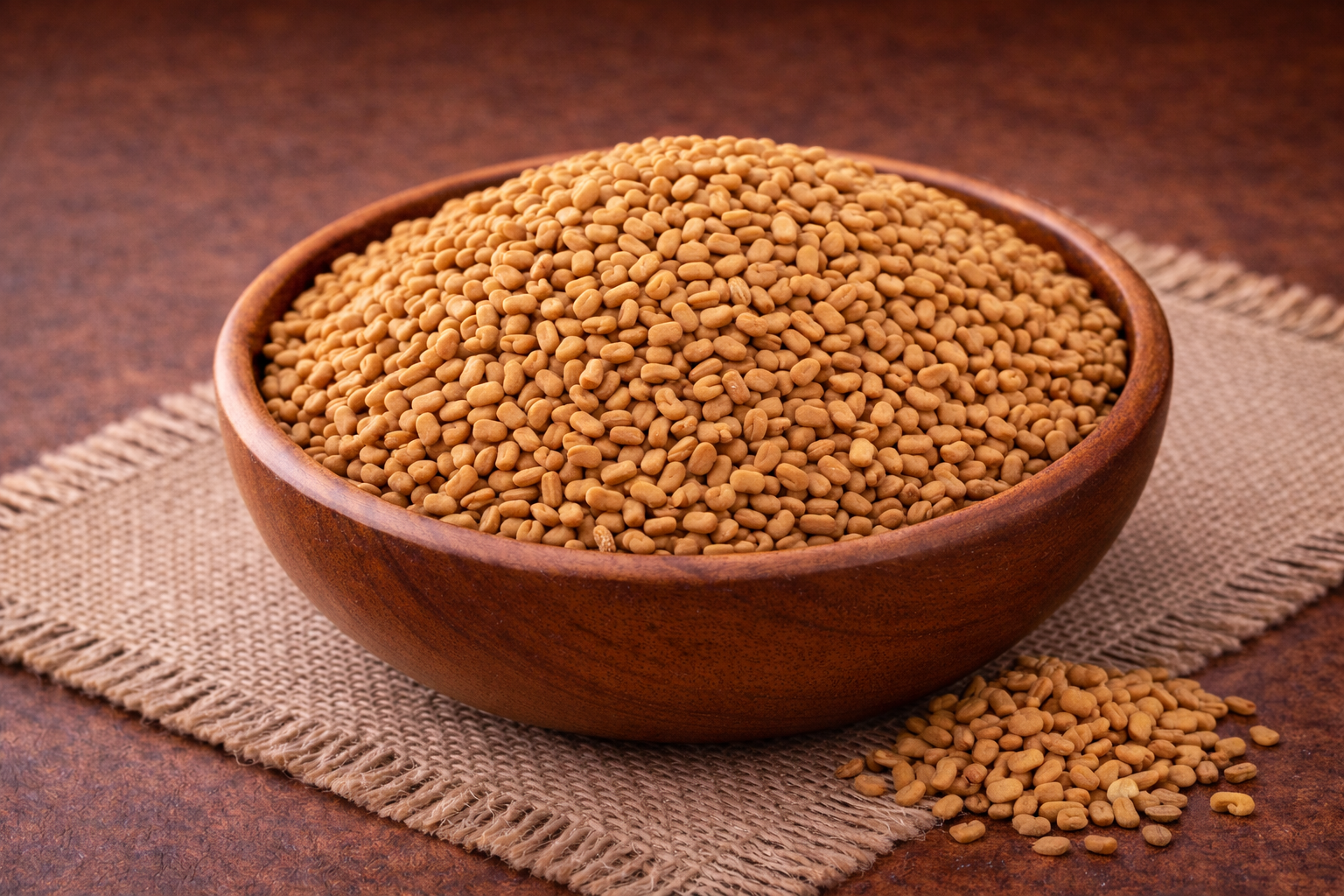
Fenugreek seeds have a slightly bitter, nutty taste with a hint of maple. When toasted, the bitterness subsides.
Common Uses:
A common ingredient in curry powders and pickles. Used in dals and vegetable dishes, especially in South Indian cuisine.
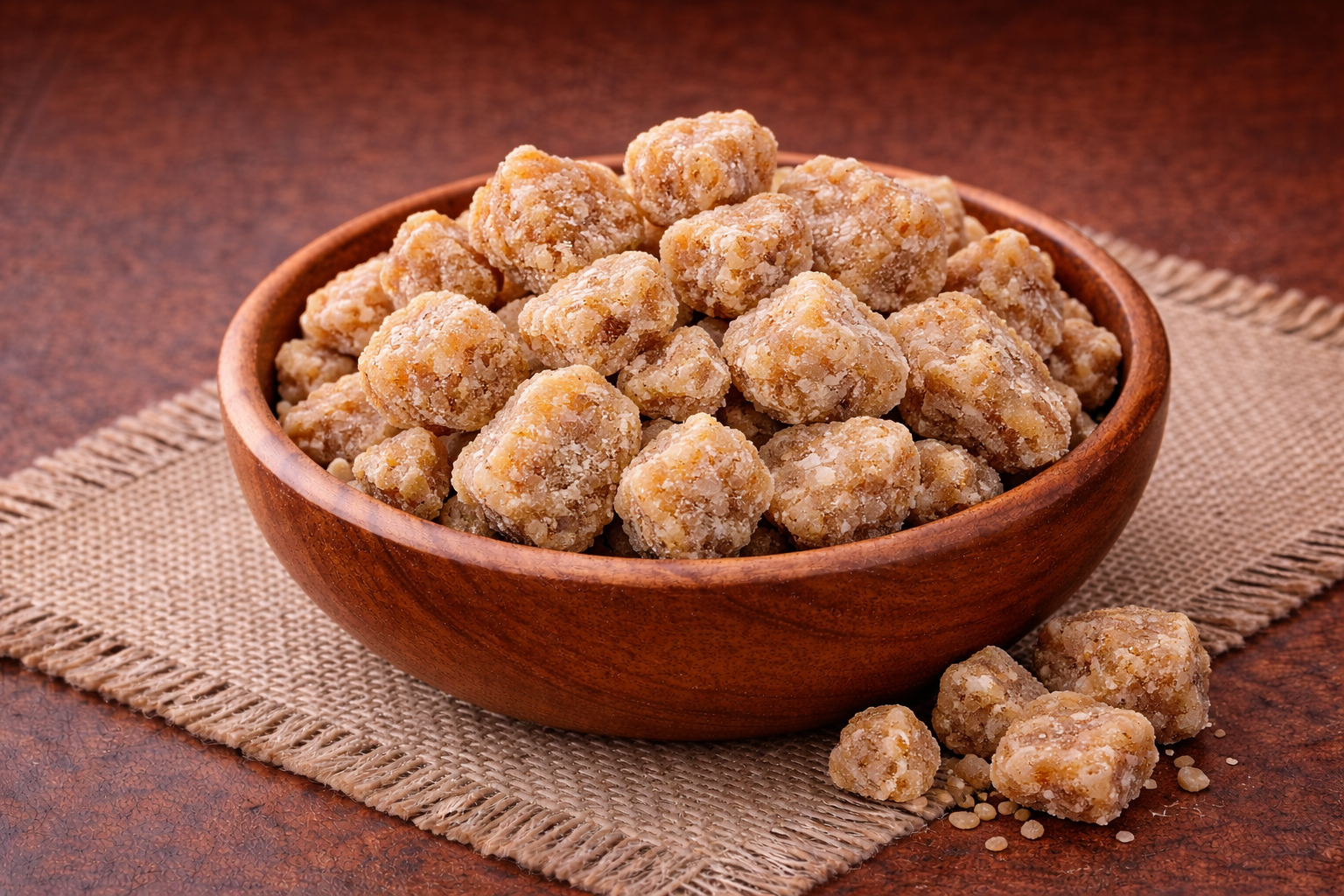
A dried latex (gum oleoresin) with a strong, pungent onion-garlic odor that mellows into a savory flavor when cooked.
Common Uses:
A pinch is typically fried in hot oil and used to flavor lentil dishes, vegetable curries, and pickles.
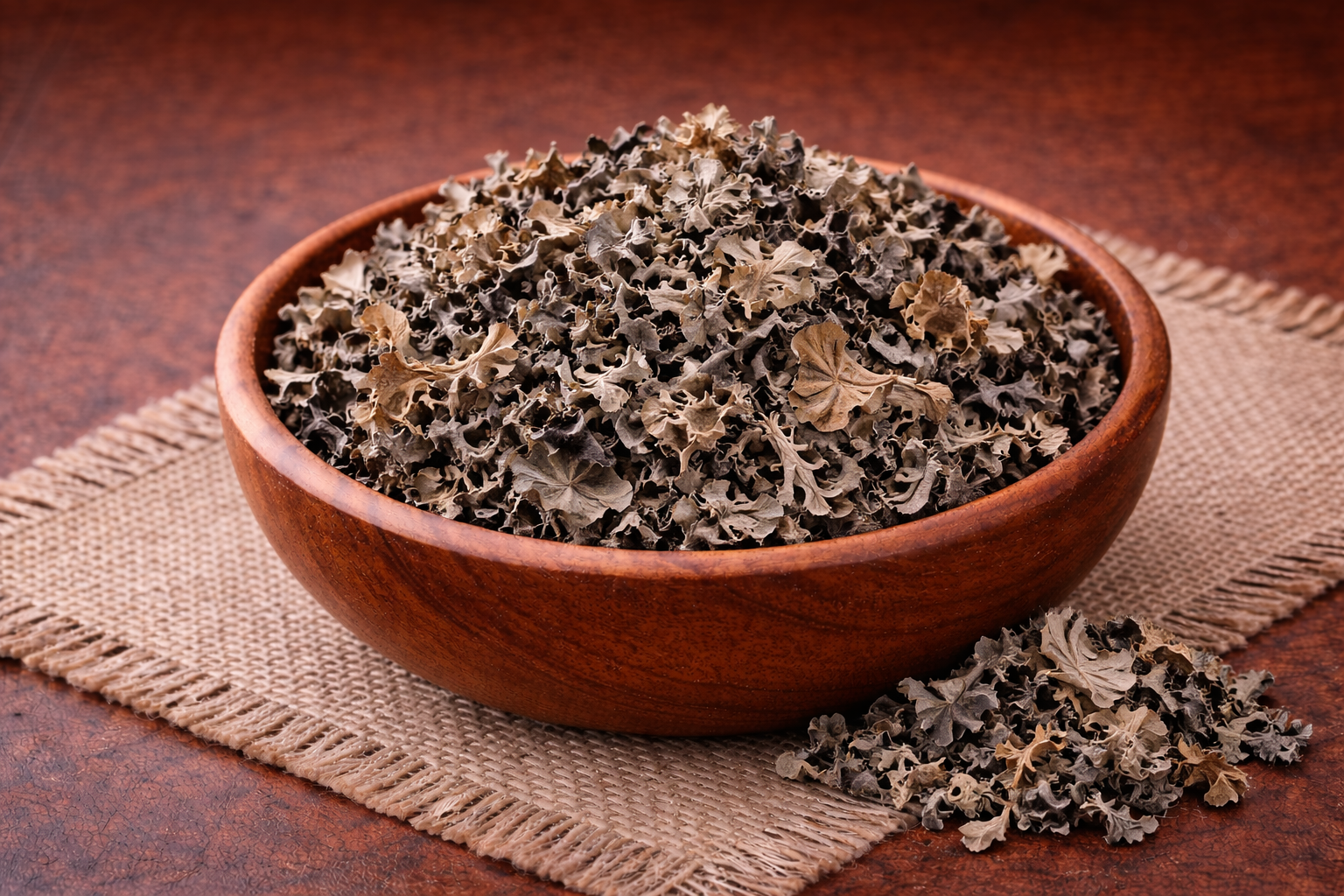
A type of lichen that has a soft, dark, and earthy aroma. It doesn't have a strong taste on its own but adds a mysterious, smoky flavor to dishes.
Common Uses:
A key ingredient in Chettinad cuisine and goda masala. Used in meat and vegetable dishes.
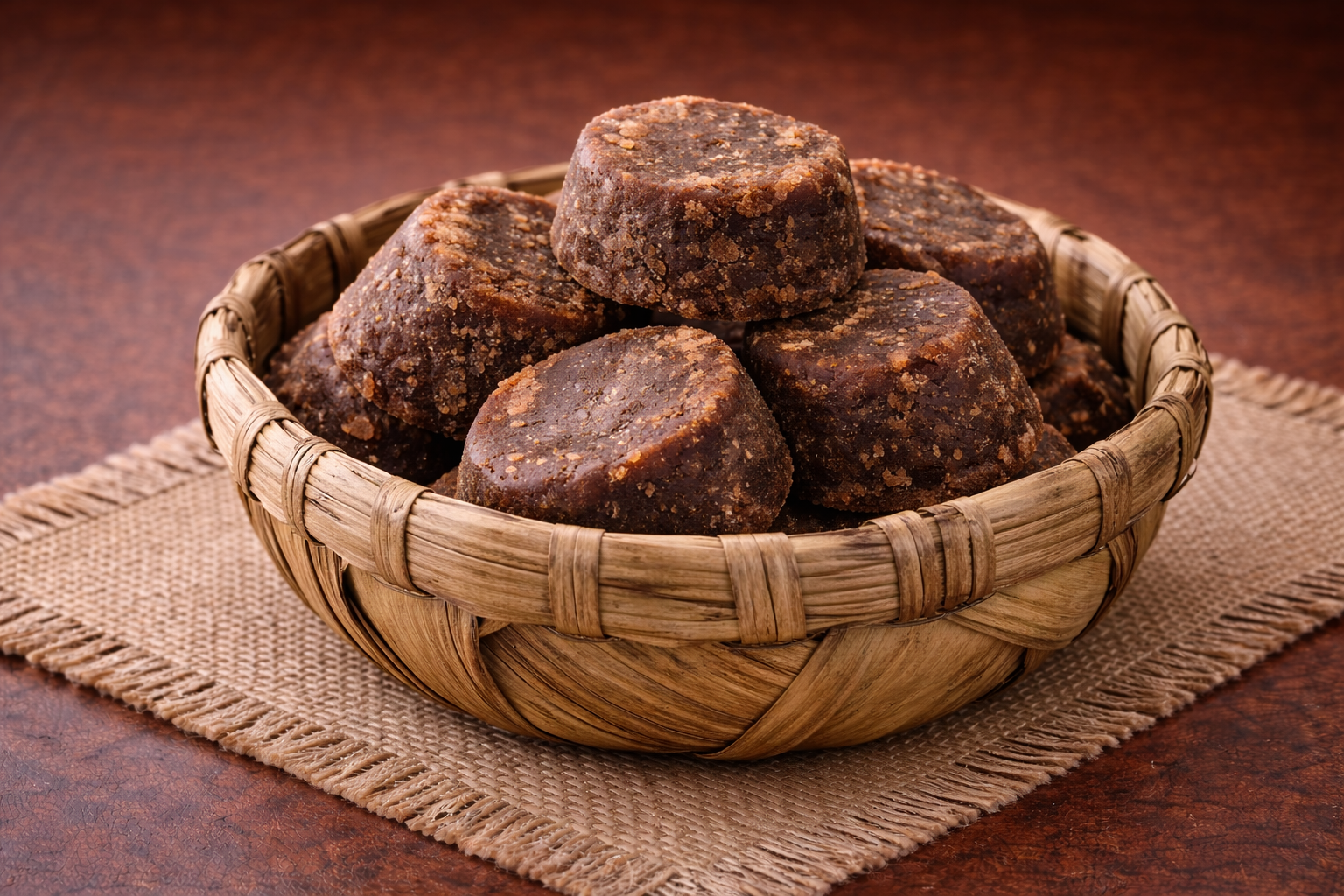
A natural sweetener made from the sap of palm trees. It has a rich, caramel-like flavor with smoky and chocolatey notes. It is unrefined and contains more minerals than processed sugar.
Common Uses:
Used in traditional Indian sweets, desserts, and beverages. It can be a healthier substitute for white sugar.